
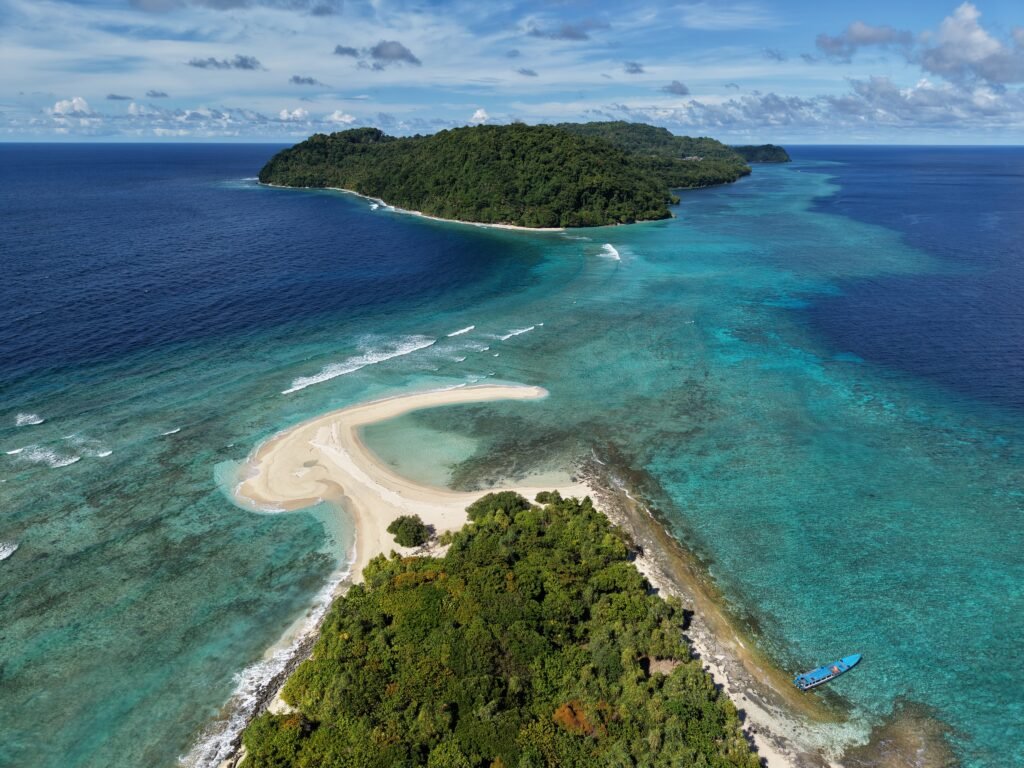
Have you ever reached for nutmeg in your kitchen and wondered where it comes from? Or imagined that this humble spice was once worth more than gold, sparking fierce competition among the world’s most powerful nations? Welcome to Banda Neira, a tiny island at the heart of the Banda Islands, where one of the greatest chapters in global history began.
Here is a list of things to do in Banda:
1.Visit Nutmeg Plantation in Banda Islands, where Nutmeg Once Ruled the World Like Gold
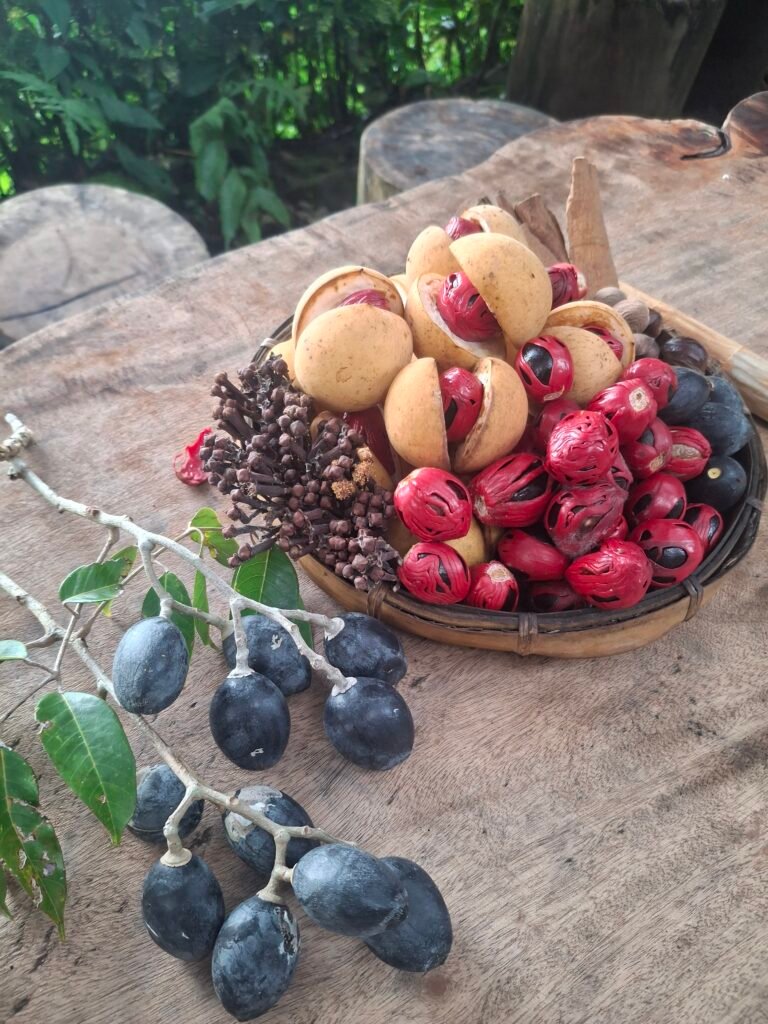
It is difficult to imagine today, while standing among quiet tropical plantations and listening to the sounds of nature, that the Banda Islands were once at the center of a global struggle for wealth and power. For centuries, these islands were the world’s only source of nutmeg, a spice so valuable that it was often worth more than gold in Europe. Its rarity, culinary uses, and perceived medicinal properties attracted colonial powers from across the globe, including the Portuguese, the British, and the Dutch, who competed fiercely for control of the lucrative spice trade.
One of the most memorable experiences is visiting the plantations on Banda Besar, where the history of the islands comes alive through the people who continue to cultivate the land. Walking beneath towering nutmeg trees, visitors can pick and taste fresh nutmeg fruit directly from the tree, a surprisingly refreshing experience, with a sweet and slightly tangy flavor that is very different from the ground spice most people know. Seeing the fruit split open naturally to reveal the nutmeg seed wrapped in its bright red mace offers a fascinating glimpse into a spice that once changed the course of history.
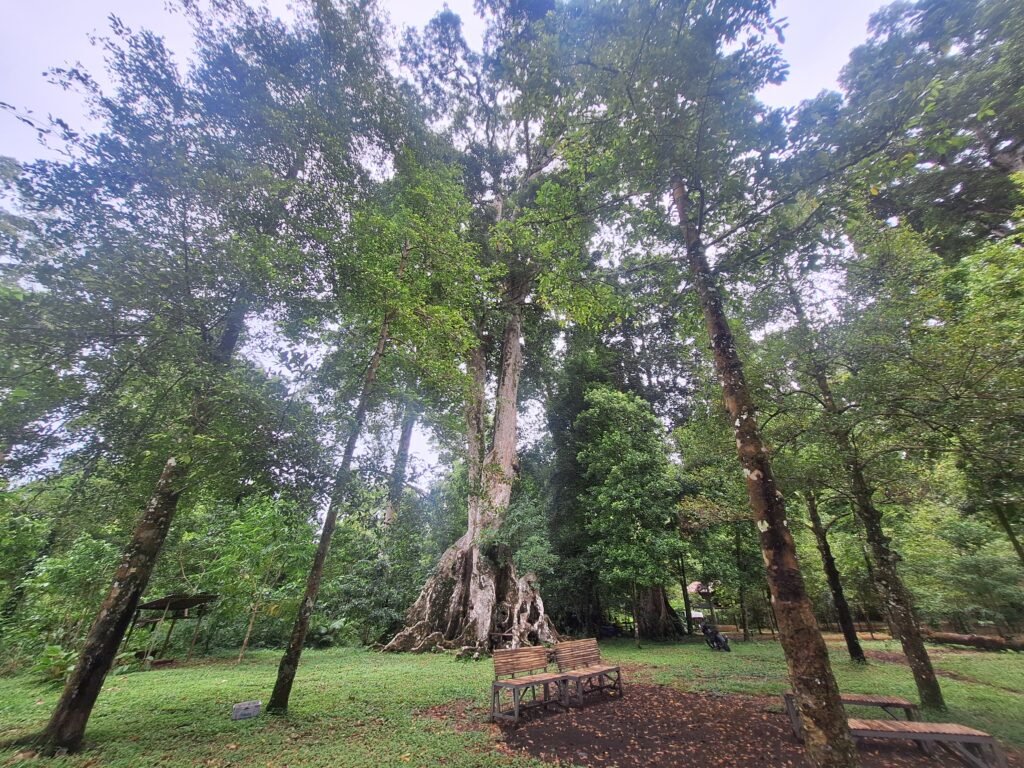
The experience becomes even more rewarding when local farmers demonstrate the traditional harvesting and processing methods still used today. You can observe how nutmeg is dried, sorted, and transformed into products such as spices, syrups, jams, candies, and local snacks. Along the way, the plantations reveal much more than nutmeg alone. Cinnamon trees, clove trees, and kenari trees, often referred to as Banda almonds grow throughout the landscape, filling the air with subtle aromas and reminding visitors of the incredible botanical richness of the islands.
What makes the experience special is not only learning about the spices themselves but also seeing how deeply they remain connected to daily life in Banda. Rather than a museum or historical exhibit, the plantations are living, working landscapes where traditions have been passed down through generations. Walking through these spice gardens, tasting the harvest, and hearing stories from local farmers creates a genuine connection to a history that once shaped the world. It is an experience that engages all the senses and offers a deeper appreciation for why the Banda Islands remain one of Indonesia’s most unique and captivating destinations.
2. Explore the Banda Sea where Snorkeling and Diving Reveal a Crystal-Clear Ocean Full of Life
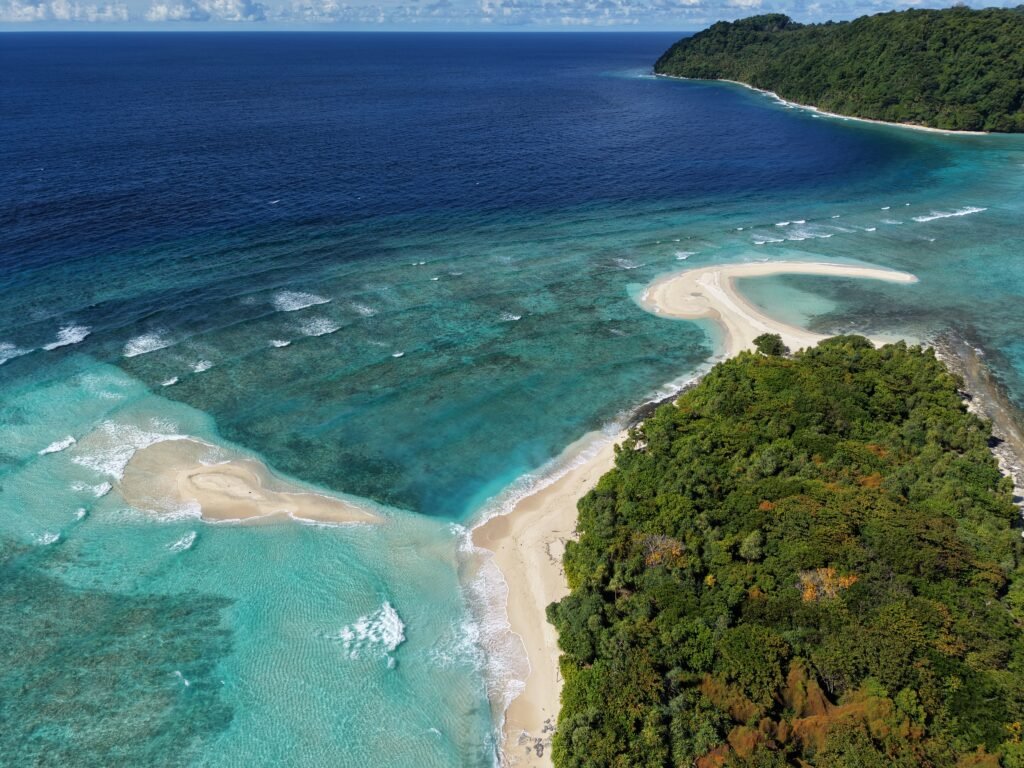
The Banda Sea is one of Indonesia’s most extraordinary and least explored marine regions, defined by its extreme ocean depth, exceptional water clarity, connecting the Pacific and Indian Oceans. Banda Sea reaches depths of more than 7,000 meters, making it one of the deepest seas in Indonesia and part of a vast underwater basin that shapes global marine movement. This deep-sea environment creates a rare and dramatic ecosystem where life thrives across multiple layers of the ocean, from vibrant coral walls and untouched reef systems in the shallows to open-ocean blue water that drops away into true abyssal depth.
Snorkeling and diving here offer completely different but equally powerful experiences. Snorkelers can drift above pristine coral gardens filled with turtles, reef fish, and healthy reef systems just beneath the surface, while divers descend along steep walls that plunge into deep blue wilderness. The visibility is often exceptional, giving the feeling of floating above an endless underwater world where reef structure and open ocean merge seamlessly.
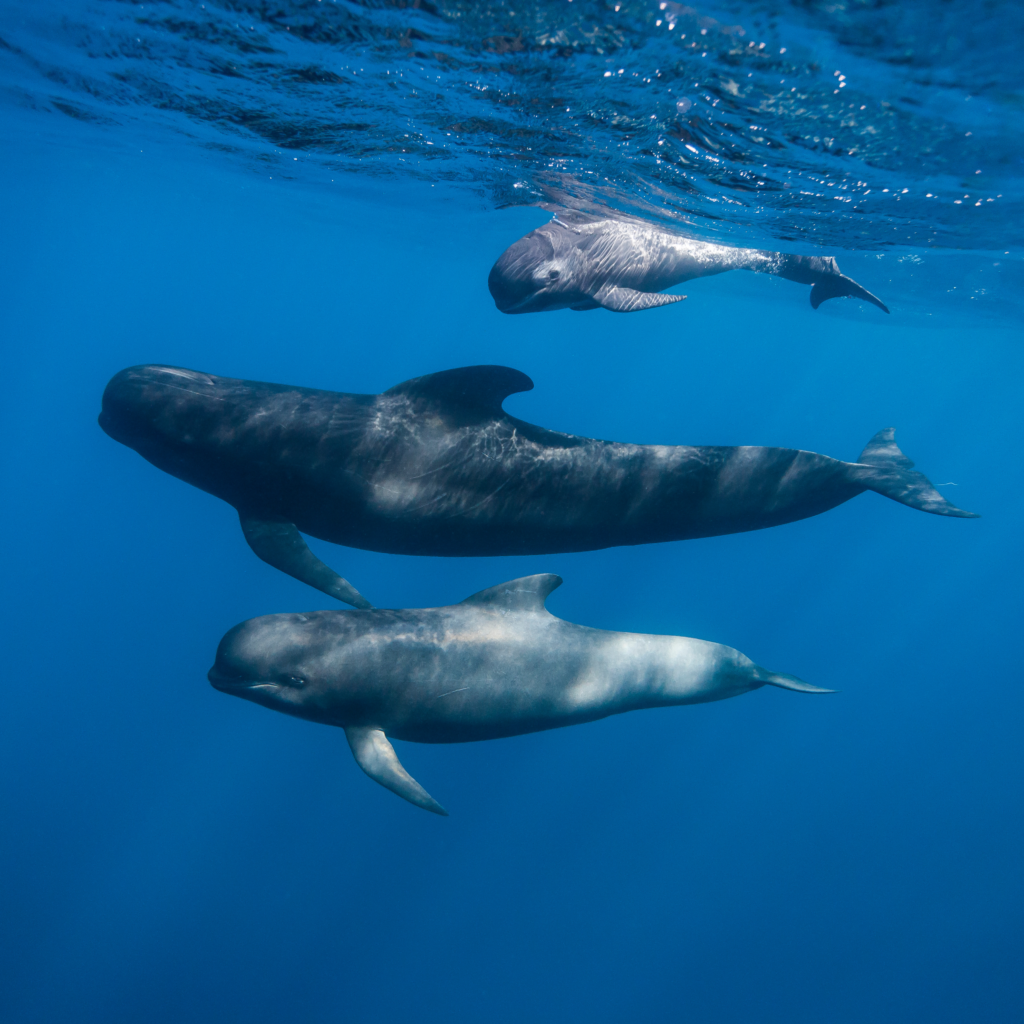
What makes the Banda Sea truly special is its role as a migration corridor for large pelagic species moving through these deep ocean channels. Depending on the season, generally between September to November and ocean conditions, encounters may include hammerhead sharks, reef sharks, dolphins, pilot whales, sperm whales, and other deep-ocean species traveling through the region’s vast underwater highways. It is not a predictable aquarium-style destination, but a living ocean system shaped by depth, currents, and seasonal movement.
Just days before our arrival in Banda last April, locals shared exciting footage of a rare orca sighting near Banda Neira. Seeing these videos immediately reminded us that the Banda Sea is far more than a beautiful diving destination. It is a living migration corridor where extraordinary encounters can happen at any moment. With hopes of spotting the orcas ourselves, we set sail toward Hatta Island. While the orcas remained elusive, the sea had other surprises in store. Dolphins accompanied us across the open water, and as the sun began to set on our journey back to Banda Neira, we found ourselves surrounded by hundreds of pilot whales moving gracefully through the ocean. It was one of those rare moments that leaves everyone on board speechless. This is the magic of the Banda Sea: wild, unpredictable, and rewarding those who venture far beyond the usual tourist routes.
3. Visit Rhun Island, The Tiny Island That Once Traded Places With New York
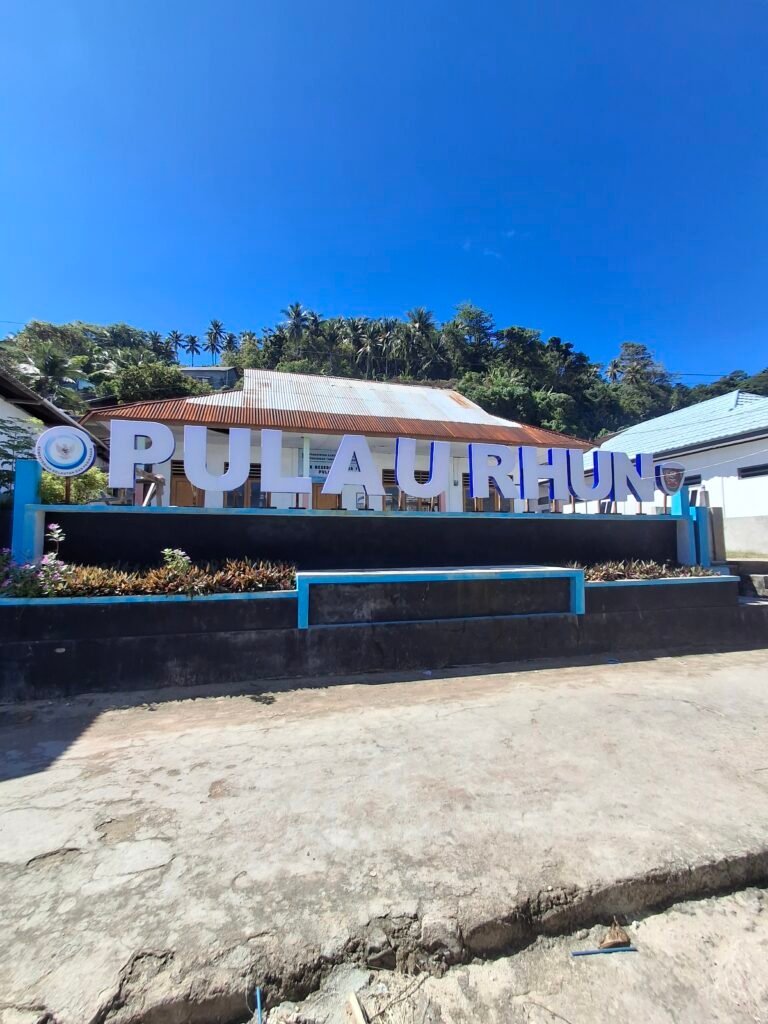
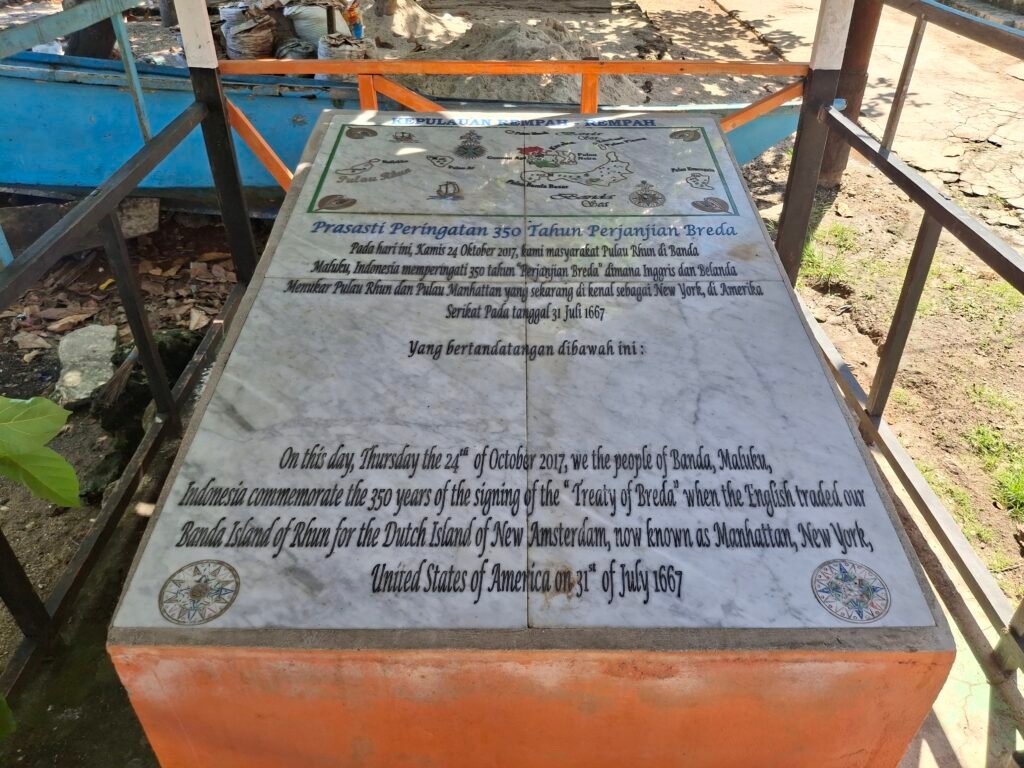
Standing on its shoreline, it is striking to imagine that this tiny island was once a major prize in the 17th-century spice trade, fiercely contested by European colonial powers, especially the British and the Dutch, due to its valuable nutmeg trees. In 1667, under the Treaty of Breda, Rhun (Pulau Run) became part of a historic colonial exchange in which the Dutch retained control of the Banda Islands, while the British secured their interests in New Amsterdam which later known as Manhattan, now part of New York City. This quiet agreement connected two places that could not be more different in scale, yet were linked through the global pursuit of spice wealth.
What makes Rhun Island so compelling is the contrast between its monumental historical significance and its present-day stillness. Locals continue a life closely tied to the sea and land, while remnants of its spice trade legacy remain woven into the environment itself. Standing on its quiet beaches or looking out over the Banda Sea, visitors are reminded that this was once not just a remote island, but a key piece in a global exchange that helped shape modern world history. Today, Rhun offers something far more subtle but equally powerful: a sense of reflection, simplicity, and connection to a past that still echoes across continents.
4. Climb Banda Api. Walk the Volcano That Destroyed and Created Paradise
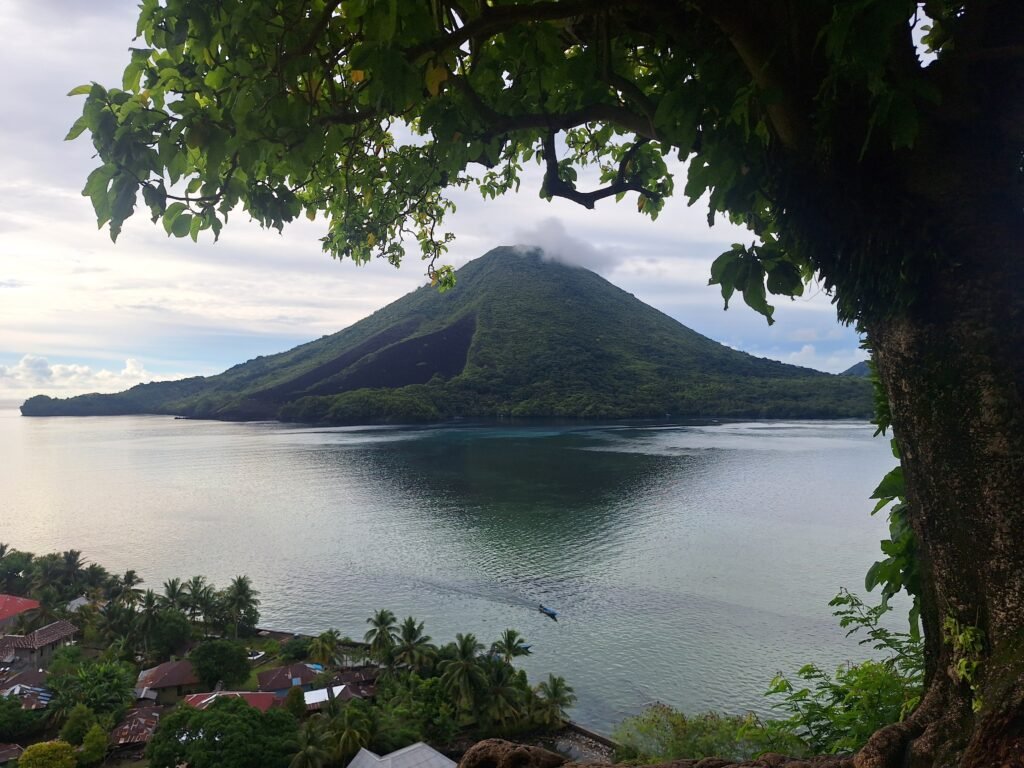
Climbing Banda Api feels like stepping into the raw forces that shaped the entire Banda Islands archipelago. Rising sharply from the sea, this active volcano dominates the horizon of Banda Neira and serves as a constant reminder that these islands were not only formed by geological power, but are still being shaped by it today. The hike is steep and demanding, yet every step upward reveals expanding views over the Banda Sea, surrounding islands, and the deep blue waters that seem to stretch endlessly in all directions. As you climb, the landscape shifts from tropical vegetation at the base to volcanic rock and ash near the summit, creating a striking contrast that reflects both destruction and creation in the same place.
Yet the story of Banda Api continues far beneath the surface. Around its underwater slopes lies one of the most fascinating marine environments in the Banda Islands: the lava flow dive and snorkel sites. Here, ancient eruptions have formed dramatic underwater landscapes of black volcanic rock, steep drop-offs, and coral formations that have slowly reclaimed the hardened lava. For snorkelers, the shallow areas reveal clear waters where coral gardens grow directly over volcanic foundations, creating a surreal contrast of life emerging from fire. For divers, the deeper slopes offer walls and formations shaped by past eruptions, now covered in vibrant reef systems, reef fish, and occasional pelagic visitors passing through the deep blue.
5. Walk Through Banda Neira where Every Corner Tells a Living Story
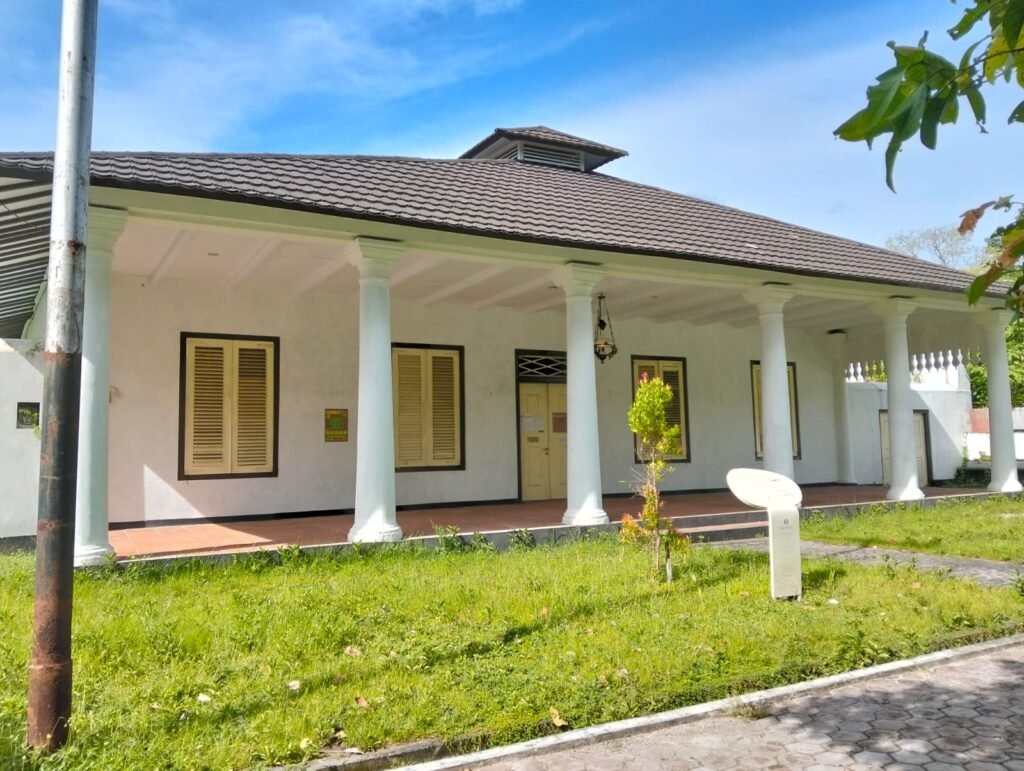
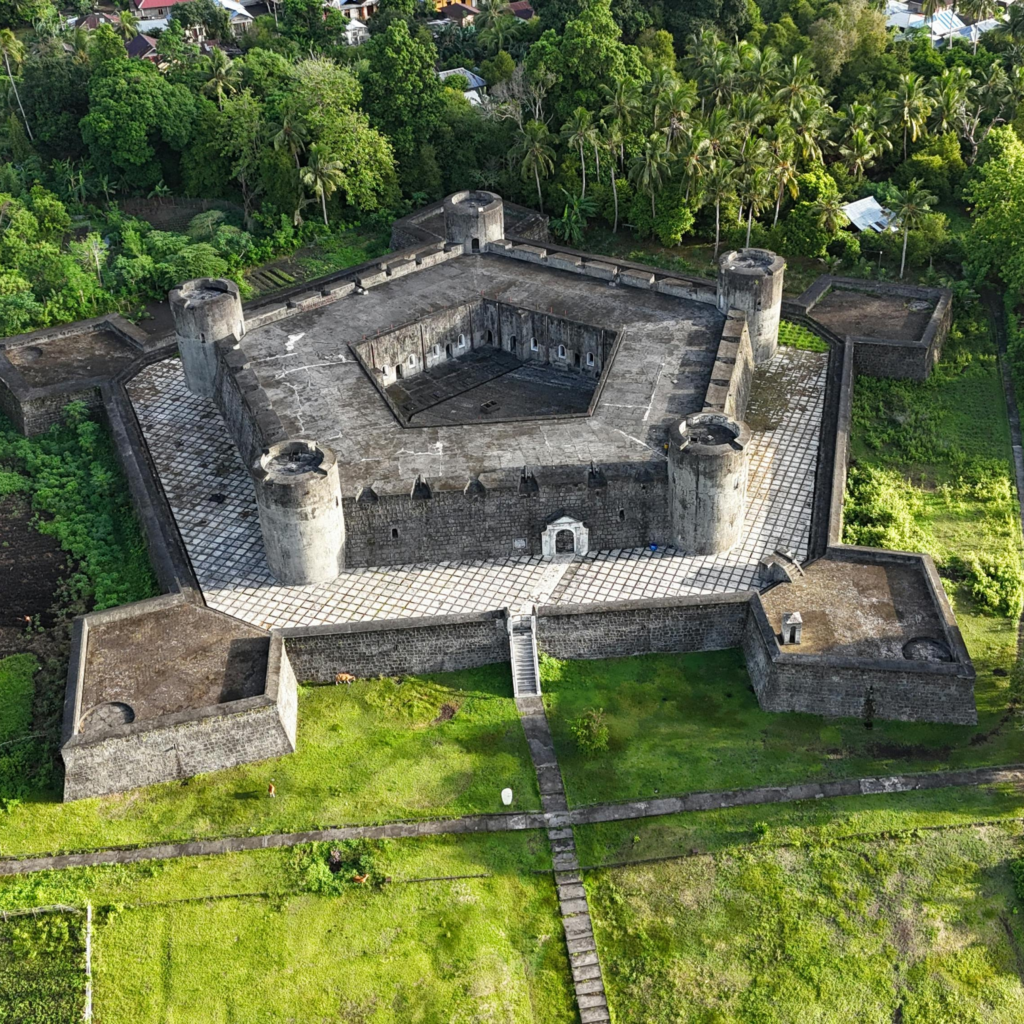
Walking through Banda Neira feels less like sightseeing and more like moving through a living layer of history where every street, building, and coastline carries traces of the past. As you explore the island on foot, the atmosphere shifts constantly between quiet village life and the echoes of its colonial-era significance. Old Dutch-style buildings still stand along narrow streets, weathered but present, while the remnants of forts and administrative structures remind you that this small island once played a central role in global spice trade history. Nothing feels staged or reconstructed. Everything is part of the island’s ongoing daily rhythm, which makes the historical experience feel authentic and alive.
Passing through the town, you naturally find yourself moving between key historical landmarks like Fort Belgica, Fort Nassau, and the old colonial residences that overlook the sea. From these elevated points, the view stretches across the harbor and out toward the surrounding islands, giving context to why Banda Neira was once so strategically important. Between these sites, you walk past local homes, small mosques, churches, and fishing areas where daily life continues as it has for generations, blending seamlessly with the island’s historic identity.
6. Taste Banda Dried Fish, Fresh From the Deep Sea Straight to Your Plate
Tasting Banda fish in its dried form is one of the most authentic reflections of daily life in the Banda Islands, where the ocean is not only a source of fresh meals but also a way of preserving food for generations. Coming from the deep and nutrient-rich waters of the Banda Sea, the fish is first caught by local fishermen using traditional methods, often in small boats close to the islands. Instead of being consumed immediately, a large portion of the catch is preserved through sun-drying, an age-old technique that allows the community to store food while concentrating its natural flavor.
Walking through Banda Neira or nearby villages, you often see rows of fish laid out under the sun on bamboo racks or woven mats, slowly drying in the warm tropical air and sea breeze. This process is simple but deeply effective: the salt, sun, and wind work together to naturally preserve the fish without the need for industrial processing. Over time, the texture becomes firmer and the flavor more intense, capturing the essence of the sea in a more concentrated form.
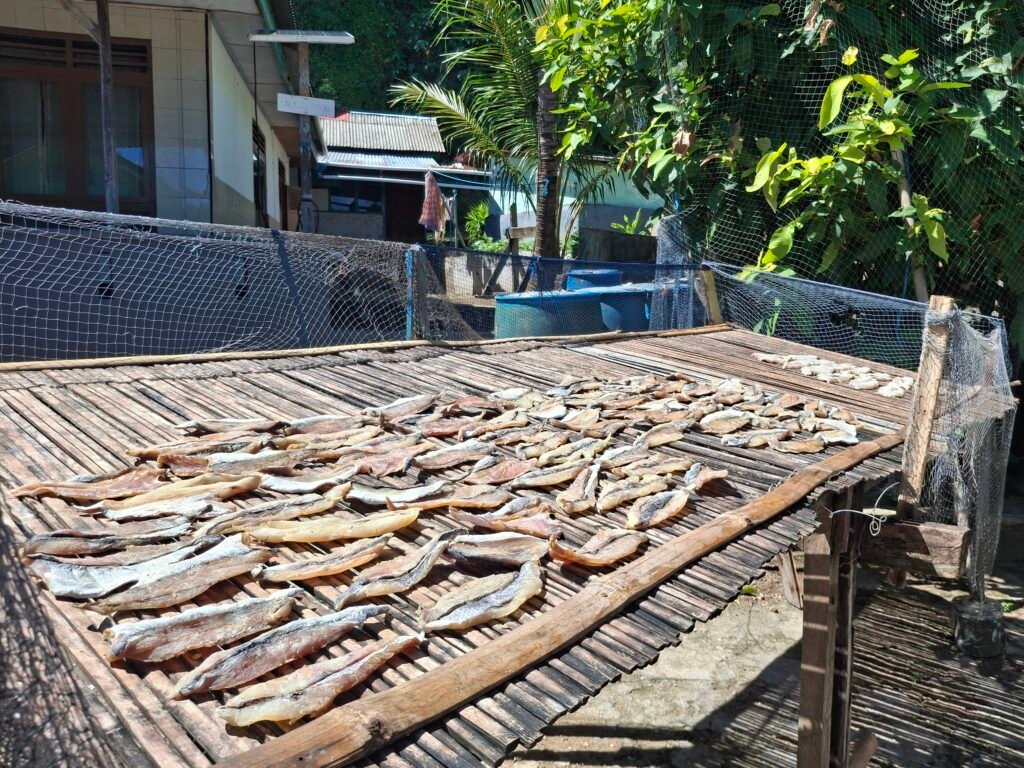
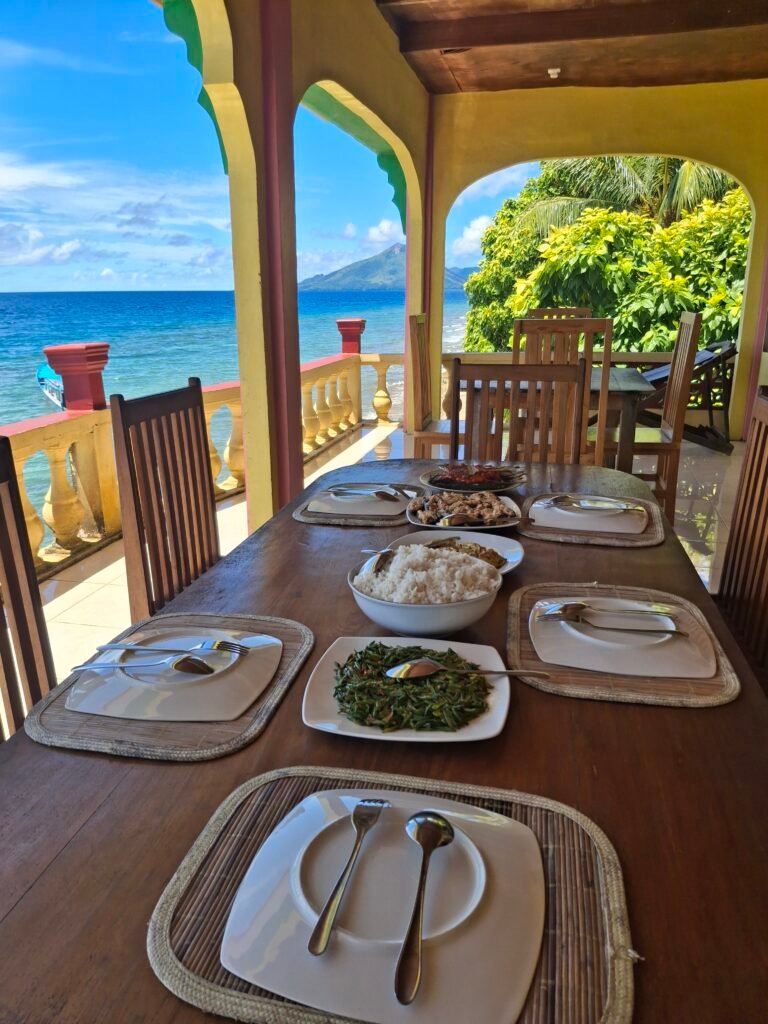
When prepared, dried Banda fish is often grilled or lightly fried and served with rice and local sambal, creating a dish that is both humble and deeply flavorful. It is not refined cuisine in a modern sense, but rather a direct expression of island life practical, resourceful, and closely tied to the rhythm of the sea. Eating it in Banda Neira, surrounded by the same waters it came from, makes the experience feel complete: a simple meal that carries the taste of tradition, community, and the deep Banda Sea itself.
7.Experience the Banda Festival where History, Culture, and Community Come Together
The festival is typically held annually in October, a period when the seas are calmer, the weather is favourable, and Banda Neira becomes noticeably more vibrant than its usual quiet, remote pace. During this time, the island transforms into a cultural meeting point where local communities from across the Banda Islands come together to celebrate identity, heritage, and their deep connection to the sea.
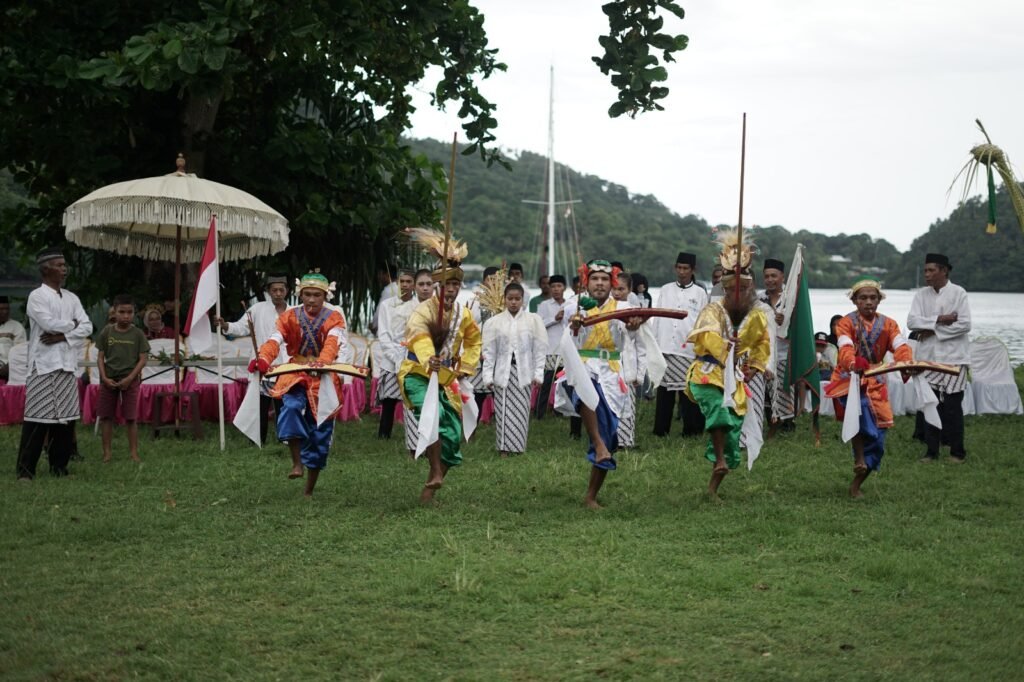
At the heart of the festival are traditional kora-kora boat competitions, where long, narrow wooden boats which once historically used for travel and warfare in Maluku are now raced and celebrated in energetic displays of teamwork, rhythm, and coordination on the water. Along the shoreline and through the village streets, the atmosphere is filled with traditional music and dance performances, often featuring rhythmic drumming, singing, and cultural expressions passed down through generations. These performances are not staged for tourists alone, but are a genuine expression of local pride and storytelling, reflecting both the spice trade history and the resilience of island life.
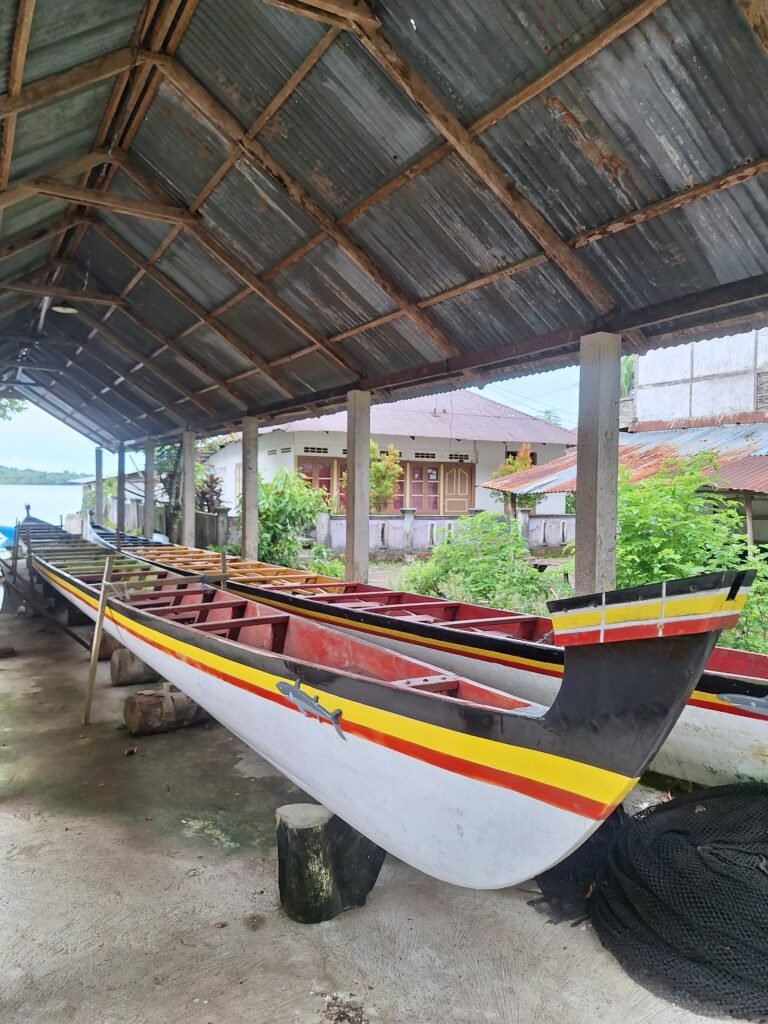
Food also plays a central role in the celebration. The festival becomes an open invitation to experience Banda’s culinary heritage, with local dishes prepared and shared throughout the community such as fresh seafood, traditional spices, and home-style cooking that reflects the islands’ close relationship with the sea and land. Markets and communal spaces become lively gathering points where visitors can taste local flavours, observe daily life, and engage directly with the community.
More than just an event, the Banda Festival in October is a moment of cultural reflection and unity. It is when the islands openly share their history, traditions, and identity, allowing visitors to experience Banda Neira not only as a remote destination, but as a living cultural landscape shaped by centuries of maritime heritage, spice trade history, and community spirit.
8. Island Hopping to Ay, Hatta & Nailaka Islands
Pulau Ay welcomes visitors with a rare blend of living history, cultural tradition, and coastal simplicity. Once a key island in the global spice trade, it still carries traces of its past while remaining a close-knit village community rooted in the sea and land. Walking through the village, you may encounter traditional cultural expressions such as Cakalele dance performances, ceremonial gatherings that reflect Maluku’s warrior heritage and deep ancestral identity. Inland, small spice gardens and plantations continue to produce nutmeg and cloves, connecting daily life directly to the islands’ historical legacy. Offshore, Ay also offers calm reef systems and healthy coral gardens ideal for snorkeling and relaxed diving. In certain areas around the island, encounters with unique marine life such as dragon fish can sometimes be observed, blending cultural richness above water with rare biodiversity below.
Pulau Hatta feels even more remote and untouched, offering a more immersive nature experience both above and below the surface. While its reefs are among the clearest and healthiest in the Banda Islands, the island itself also invites quiet land exploration. Walking inland reveals a peaceful environment of coconut groves, forested paths, and small trails leading to secluded viewpoints overlooking the Banda Sea. The absence of major development creates a strong sense of isolation, where the sounds of nature dominate and the coastline remains largely undisturbed. From shore to shallow reef drop-offs, Hatta offers an effortless transition between land and sea, making it ideal for both snorkeling and gentle exploration of its natural landscape.
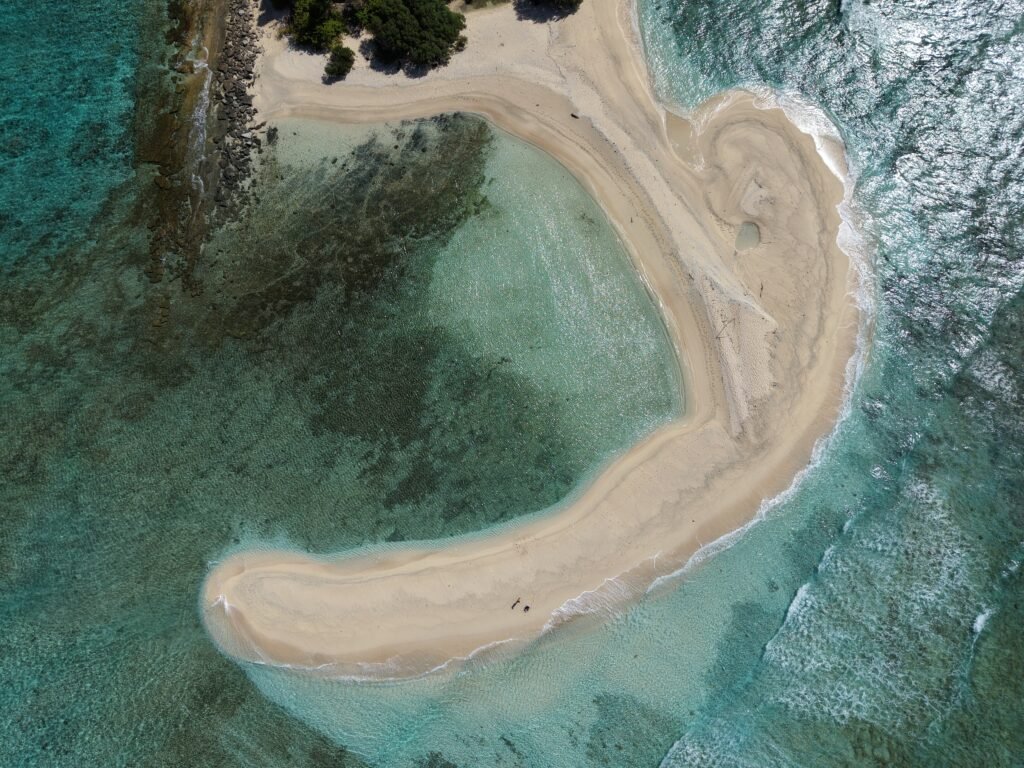
Pulau Nailaka, the smallest of the three, adds a completely different dimension. A tiny sandbar island surrounded by turquoise waters, Nailaka feels like a pure escape into simplicity. There are no villages, only soft white sand, shallow lagoons, and uninterrupted views of the open sea. It is a place for slow swimming, resting, and taking in the vastness of the Banda Sea in its most minimal and peaceful form.
9. Stop by at the trash pillar in Banda Neira Island
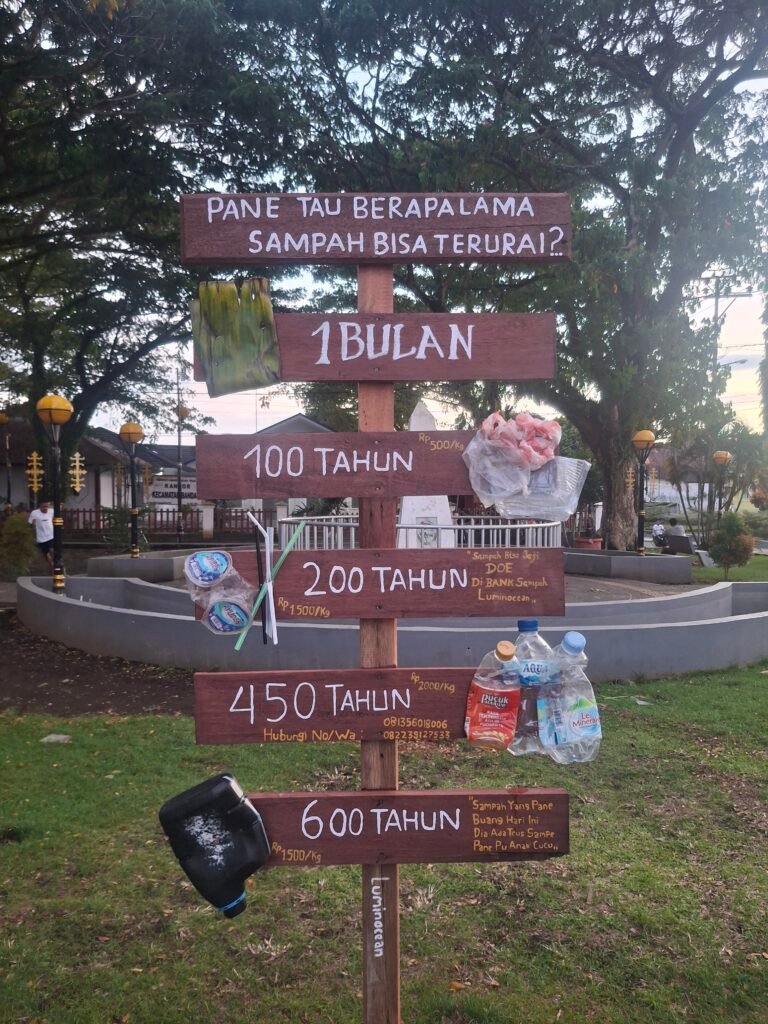
This simple trash pillar is a reminder to everyone, both locals and visitors of how destructive certain types of trash are and furthermore how long it will last on earth. This makes you stop and think about future generations and how our actions now will impact their life in years to come. Therefore, There is an initiative to whoever collects the trash to get some small amount of money as an exchange. For example, the water bottles, people can exchange 1 KG of it for IDR 2.000, plastic bags IDR 500/KG, straws and plastic glasses IDR 1.500/KG, oil plastic container IDR 1.500/KG.
If you find yourself intrigued by the story, landscapes, and hidden heritage of Banda Neira, you will quickly realize that reaching this remote corner of the world requires more than just inspiration. It requires thoughtful planning and local expertise. From inter-island transfers to the best ways of experiencing its history, dive sites, and surrounding islands, every detail plays a role in shaping the journey.
If you are considering exploring Banda Neira and the wider Banda Islands, Remasia Travel is available to support travel professionals and their clients in creating seamless, well-curated itineraries that bring this extraordinary destination to life.